Egocentric data collection for robot learning
Record the work the way the worker sees it. A camera on the head, a camera on each wrist, every frame on the same pulse.
- 2,000+Stereos shipped
- 700+Monos shipped
- 200+Full Rigs shipped
- 10+ hcontinuous at 30 fps (p99)
What egocentric data is
Egocentric data is video, motion and sound recorded from the point of view of the person doing a task. Instead of a camera in the corner of the room, the camera sits on the person: on the head to see what they see, and on the wrists to see what the hands do.
For robot learning, that first-person view is the useful one. It shows how people really pick things up, turn them, fit them together and put them down, in the places where the work actually happens. Teams record these demonstrations so robots can learn the same tasks.
Why synced head and wrist views matter
The head sees the plan. The wrists see the contact. A head camera shows the whole scene and what the person is facing. But hands often hide their own grip from the head. A wrist camera sees the fingers, the object and the moment they touch, up close.
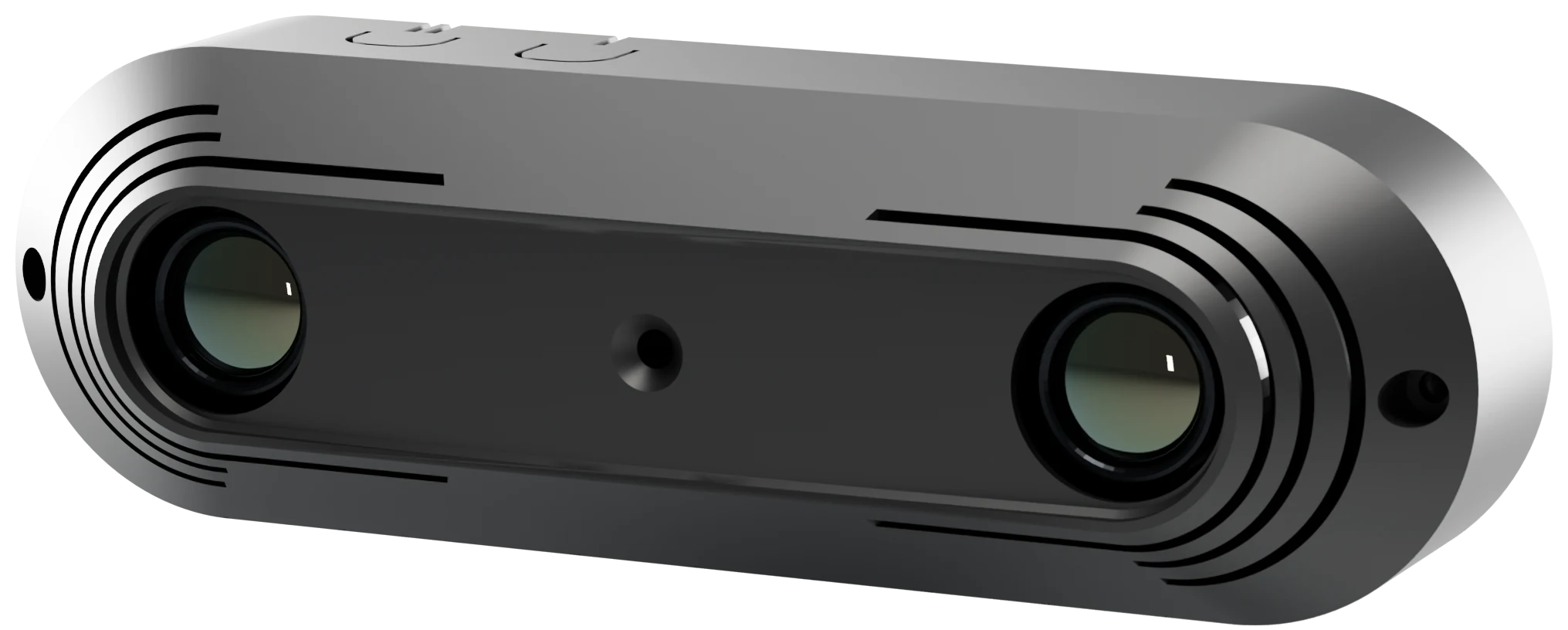
Two eyes on the head. A stereo head camera gives two views of every moment, about the spacing of human eyes, so the distance to hands and objects can be worked out later from the recording.
One clock for everything. Cameras that run on their own clocks drift apart, and a grasp in one view stops matching the other. With one hardware trigger, every camera takes its picture on the same pulse, so frame N is the same moment in every view. Motion data on the same clock tells you how the head and wrists moved at that moment.
How a Full Rig records it
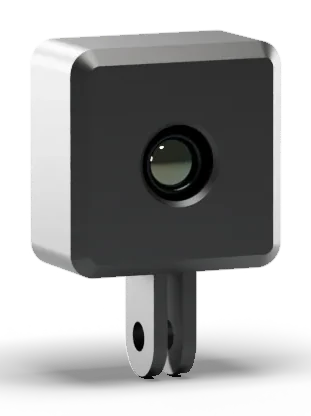
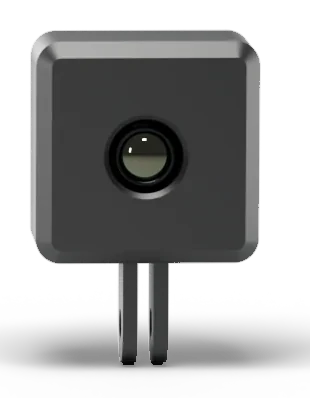
A Full Rig is a Super Stereo on the head and a Mono on each wrist, all in sync on one hardware trigger.
- Head: Super Stereo, two global-shutter eyes at 1920 x 1200 and 30 fps, about 65 mm apart, typically about 15 µs between eyes. A motion sensor at about 500 Hz and a microphone. Records to its own microSD card, with no computer in the loop.
- Wrists: Mono, one global-shutter camera at 1920 x 1200 and 30 fps with a 500 Hz motion sensor carried in every frame and a microphone. Wired cameras sync to about 1 µs (median).
- Long sessions: 10+ hours in one continuous recording at 30 fps (p99). A 20,000 mAh power bank runs a Super Stereo for 3 to 4 days.
- Calibrated: each Super Stereo is calibrated before it ships, and the calibration is copied into every recording.
2,000+ Stereos (all generations), 700+ Monos and 200+ Full Rigs have shipped to robotics teams.
What is coming next
Six-Cam puts six cameras on one board, all hardware synced: the scene ahead, the hands below and both sides, in one recording. Super Mono is a wireless Mono run from the Super Nerves app. Both are coming soon.
Questions about egocentric data
What is egocentric data?
Egocentric data is video, motion and sound recorded from the point of view of the person doing a task, usually with a camera on the head and often cameras on the wrists. It shows the work the way the worker sees it.
Why is egocentric data used for robot learning?
It shows how people actually handle objects in real places: what they see, how their hands move and what they touch. Robot learning teams use these demonstrations to teach robots the same tasks.
Why record the wrists as well as the head?
The head camera sees the whole scene, but hands often block their own grip from that view. Wrist cameras see the grip and the object up close. Together they show both the plan and the contact.
Why does hardware sync matter?
Cameras on their own clocks drift apart, so a grasp in one view stops matching the other. With one hardware trigger, every camera takes its picture on the same pulse, and frame N is the same moment in every view.
How long can one recording run?
SuperSenses devices record 10+ hours in one continuous recording at 30 fps (p99).
Which SuperSenses devices record egocentric data?
A Super Stereo on the head and a Mono on each wrist, together a Full Rig. Six-Cam, six cameras on one board, is coming soon.